Egg quality: what it really means, why it matters and what you can do about it
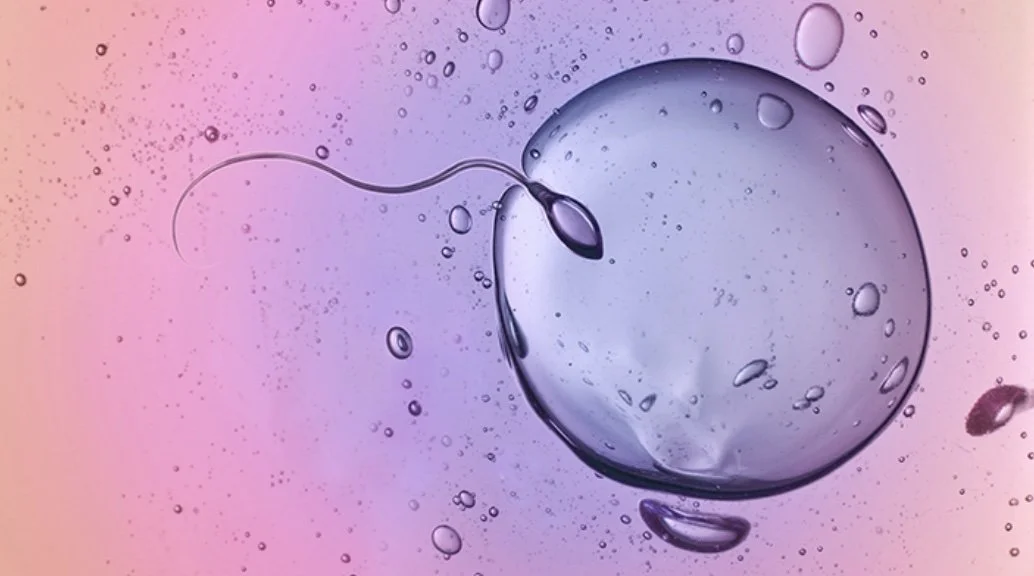
If you've been trying to conceive for a while — or you're preparing for IVF — you've probably heard the phrase "egg quality" come up. But what does it actually mean? And more importantly, is there anything you can do to influence it?
The most overlooked factor in fertility
Most fertility advice focuses on ovulation and timing — getting the egg fertilised. This makes intuitive sense, but it misses a much larger issue. Most fertilised eggs never become a successful pregnancy. In fact, only about a third of fertilised embryos survive to become a baby, and most pregnancy losses happen so early that the woman doesn't even know she was pregnant. When these very early losses are included, up to 70% of conceptions end in miscarriage.
The reason for this is egg quality — specifically, whether an egg carries the correct number of chromosomes. Chromosomal abnormalities in eggs are, by a significant margin, the leading cause of both failed conception and miscarriage. They account for more pregnancy losses than every other known cause combined.
The decline in fertility as we age is almost entirely due to a decline in egg quality. We know this because older women who use donor eggs have pregnancy rates similar to much younger women.
How chromosomal errors happen — and why the timing matters
Eggs are formed before a woman is even born, stored in a state of suspended development throughout her life. When an egg's turn comes to mature — over the final months before ovulation — it must perform a complex process called meiosis, dividing its chromosomes precisely so the resulting egg has exactly the right number.
Here is the part that changes everything: most chromosomal errors don't accumulate slowly over decades. They happen in the months immediately before ovulation, during that final maturation process. Age doesn't directly cause chromosomal abnormalities — it creates the conditions that make eggs more likely to mature incorrectly.
This is a crucial distinction. It means that by improving those conditions in the months before ovulation, there is a real opportunity to influence the quality of eggs that are yet to mature. The damage hasn't happened yet — and in many cases, it doesn't have to.
How common are chromosomal abnormalities?
The proportion of chromosomally abnormal eggs increases significantly with age — but there is enormous variation between individuals of the same age. In women in their early thirties, around 10–25% of eggs are chromosomally abnormal. By the early forties, that figure can reach 50–80%.
What's less appreciated is that the rate isn't fixed, even for the same person. The proportion of normal eggs can vary significantly between consecutive IVF cycles. This variation isn't purely random — it reflects changing conditions in the months leading up to ovulation. And that means it's something that can be influenced.
Down syndrome is perhaps the best-known chromosomal abnormality, but it represents just one of many. Extra or missing copies of most chromosomes prevent an embryo from developing beyond the first few days or weeks — which is why chromosomal errors are so strongly linked to very early pregnancy loss, often before a period is even missed.
The role of mitochondria— your eggs' energy supply
Correctly dividing and sorting chromosomes during meiosis requires an enormous amount of energy. That energy comes from mitochondria — the tiny power plants found in almost every cell. Eggs have more mitochondria than any other cell in the body (over 15,000), because the process of maturing and then sustaining an early embryo is extraordinarily energy-intensive.
When mitochondria are damaged or functioning poorly — through oxidative stress, age, or other factors — they produce less energy. Without sufficient energy, the chromosome-sorting process during meiosis is more likely to go wrong, and the resulting egg is more likely to have chromosomal errors.
This is one of the most important insights in fertility research of recent years, because it suggests a clear mechanism through which egg quality can be supported: by protecting mitochondrial function and reducing oxidative stress in the months before eggs mature.
What this means in practice
Clinical research has shown that avoiding certain toxins, addressing nutritional deficiencies, correcting hormonal imbalances, and adding targeted supplements can meaningfully increase the proportion of eggs that develop into good-quality embryos, improve implantation rates, and reduce the risk of early pregnancy loss. These improvements are linked — at least in part — to a reduction in chromosomal abnormalities.
The key window for this work is the three to four months before ovulation or egg retrieval — the period during which developing eggs are most responsive to the conditions around them. Starting earlier is always better, but beginning at any point before trying to conceive is worthwhile.
Reduce oxidative stress
Antioxidant nutrients protect developing eggs and mitochondria from damage. Key players include CoQ10, vitamins C and E, and selenium — found in food and targeted supplements.
Support methylation
Folate (as methylfolate), B12, and B6 support the detoxification processes that protect eggs and embryos from damage, and are important from early in the pre-conception period.
Limit toxin exposure
Endocrine-disrupting chemicals — particularly phthalates and bisphenols found in plastics and processed food — can compromise egg quality. Minimising exposure supports the developing egg's environment.
Start early
Because eggs begin their final maturation 3–4 months before ovulation, the pre-conception period — not just early pregnancy — is when these steps have the most impact.
This is something we can work on together
Whether you are just starting to think about conception, have been trying for a while without success, or are preparing for IVF, egg quality is an area where targeted support — tailored to your individual picture — can make a real difference. If this is something you'd like to explore, get in touch to discuss what a pre-conception or fertility support plan might look like for you.
This information is general in nature and is not intended as personalised medical advice. Please consult a qualified health professional before starting any new supplement regimen.