What actually matters when preparing for embryo transfer
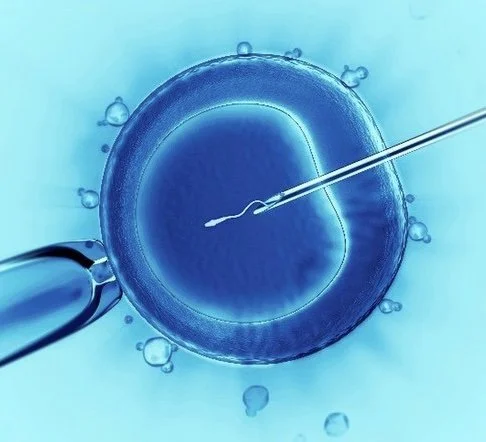
The two-week wait feels like everything. But the groundwork you lay in the weeks before transfer matters more — here's what the evidence says.
f you've made it to the embryo transfer stage of IVF, you've already done the hard work. Months of preparation, hormone injections, egg collections, and lab reports have led to this moment and it's natural to want to do everything possible to help that embryo implant.
Here's something that might surprise you: the single most important factor in whether an embryo implants is its genetic quality. All the lifestyle tweaks, supplements, and positive thinking in the world cannot override a chromosomally abnormal embryo and by the same token, a genetically healthy embryo has a genuinely strong chance on its own.
That's not a reason to do nothing. It's a reason to understand what actually moves the needle, versus what's just noise.
Should you have fresh or frozen transfer?
In recent years, most IVF clinics have shifted toward freezing all embryos and doing the transfer in a separate cycle. The research behind this is solid. Large studies, including a randomised trial of 1,600 women published in The Lancet, found higher pregnancy rates with frozen transfers.
That said, it's not a universal rule. Fresh transfers can still be the right call if you have very few embryos that may not survive the freeze-thaw process, or if your clinic has particularly strong fresh transfer outcomes. Trust your clinic's recommendation for your individual circumstances - they're weighing factors specific to you.
Do you need to test your embryos?
Preimplantation genetic testing (PGT) identifies chromosomal abnormalities in embryos before transfer. For women over 35 who are more likely to have a higher proportion of abnormal embryos, the evidence is fairly strong that transferring a tested embryo improves implantation rates and reduces miscarriage risk.
For younger women, the picture is different. Research shows that in women under 35, three-quarters of the best-looking embryos are already chromosomally normal. Selecting by appearance alone performs similarly to testing in this group.
Important nuance: Testing carries its own risks. Embryos can occasionally be lost during the biopsy process or while being grown to day 5. If you only have one or two embryos, a fresh day-3 transfer may actually give you better odds than testing. This decision is very personal - weigh it carefully with your specialist.
One more thing worth knowing: not all "abnormal" results are equal. Mosaic embryos - those where only some cells carry an error have a meaningful chance of becoming healthy babies and are often worth transferring rather than discarding. Ask your clinic for the full PGT report and ask specifically whether any abnormal embryos are mosaic.
Which supplements are worth taking before transfer?
The supplement evidence for the transfer phase is less dramatic than for egg quality - the lining, in most cases, responds well to the standard estrogen and progesterone protocol. But there are a few additions with reasonable research support.
Recommended
Prenatal multivitamin
Vitamin D
Vitamin B12 (if deficient)
Vitamin E (200–400 IU/day)
Optional
L-arginine (6 g/day)
CoQ10 (200–400 mg/day)
L-carnitine (3 g/day)*
*L-carnitine is not recommended if you are hypothyroid.
Vitamin E appears to help by boosting cell numbers in the uterine lining and promoting new blood vessel development. L-arginine works differently — by dilating blood vessels to improve flow. Together, they may be more effective than either alone. A 2019 randomised, placebo-controlled study found that vitamin E significantly improved lining thickness in women with repeated implantation failure.
Does acupuncture help with IVF?
This is an area I get asked about constantly and the honest answer is nuanced.
One or two isolated acupuncture sessions on the day of transfer alone? The pooled evidence is underwhelming. The original 2002 Paulus study showed a striking result (43% vs 26% success rate) but attempts to replicate it have largely disappointed.
Regular treatment across the IVF cycle is a different story. Initial research suggests that a series of treatments - ideally twice weekly for four weeks before egg retrieval, with additional sessions around transfer may improve IVF outcomes. One trial found a 53% pregnancy rate in the acupuncture group versus 41% in the control group.
What acupuncture does reliably: Research consistently shows it lowers cortisol levels in women undergoing IVF, and patients report significantly less anxiety post-transfer. Whether you're coming for fertility support or stress support — both are legitimate reasons. Reduced stress is a worthy goal in its own right.
One caveat worth noting: the stress-relieving benefit appears to diminish when patients have to travel away from the IVF clinic to receive acupuncture on transfer day. If you're working with an acupuncturist who isn't onsite, the value of ongoing pre-transfer treatment rather than just the day-of session becomes even more important.
After transfer
The two-week wait
Contrary to what your instincts might tell you, bed rest after transfer is not helpful and may actually reduce your chances by lowering circulation. Resume normal activities, but hold off on strenuous exercise, saunas, swimming, and baths for at least two weeks.
For the blood test itself, most clinics recommend waiting 9–12 days after transfer. If hCG is over 100 mIU/ml on day 12, there is a very high chance the pregnancy is viable. A result over 60 mIU/ml is still encouraging. The rate at which hCG rises in subsequent tests is also meaningful, doubling every two to three days is a very positive sign.
At Emerald Acupuncture & Chinese Medicine, I work with women at all stages of the IVF journey - from pre-retrieval preparation through to transfer support and the two-week wait. If you'd like to discuss how acupuncture might support your cycle, I'd love to hear from you.