Improving sperm quality
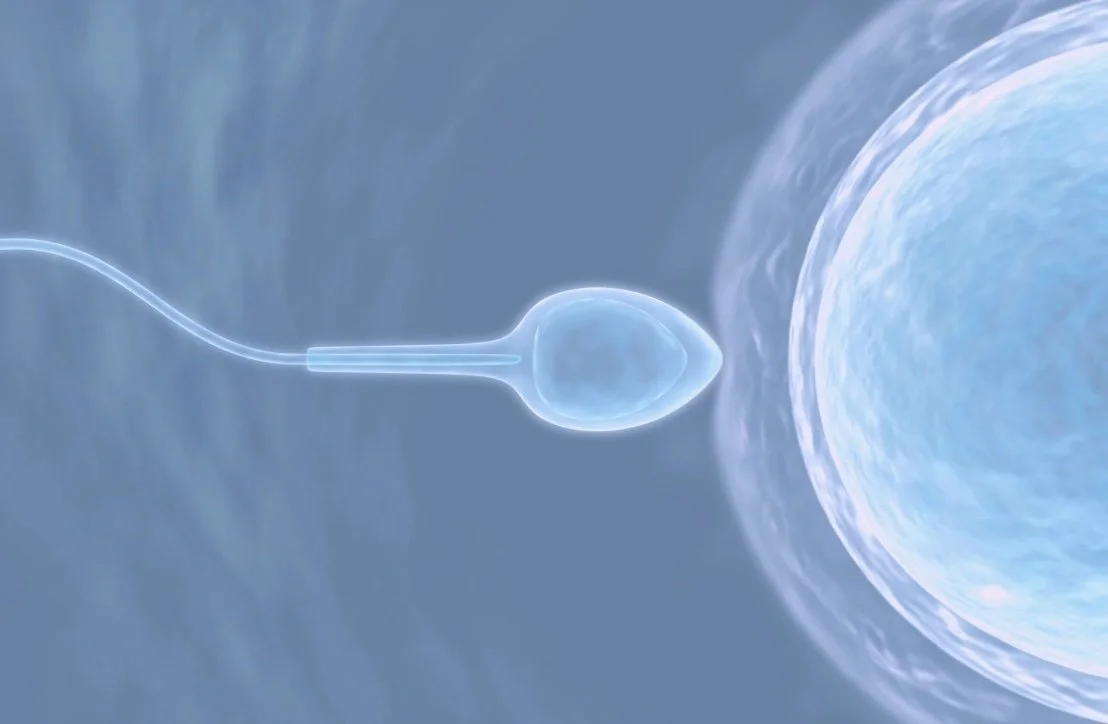
For any couple trying to conceive, sperm quality matters. It matters even more when the female partner has poor egg quality and understanding why can change how you approach your fertility journey.
The DNA inside sperm will ordinarily accumulate some degree of damage by the time it reaches an egg such as physical breaks in DNA strands, and errors in the genetic code. In a healthy cycle, eggs have a remarkable ability to correct this. Enzymes run along the sperm DNA shortly after fertilisation and make repairs.
Unfortunately, this repair process only functions well in good-quality eggs from younger women. As egg quality declines, damage to sperm DNA goes unchecked and the consequences can be significant. This can cause an embryo to stop developing or fail to implant. It can also result in pregnancy loss.
The best solution is to focus on preventing that damage in the first place by addressing underlying causes and supporting the natural defenses that protect sperm DNA from harm. But before we get there, let's clear up some common misconceptions.
Three myths worth challenging
MYTH 1
"A normal semen analysis means sperm quality is fine"
A conventional semen analysis looks at sperm count, movement, and shape - nothing more. It can come back completely normal even when there is significant damage at a molecular level. DNA fragmentation and oxidative damage won't show up on a standard test, yet they are thought to contribute to up to 80% of male infertility cases. If there is unexplained infertility, poor fertilisation in IVF, or a history of miscarriage, further testing such as a DNA fragmentation test may be worth discussing with your doctor.
MYTH 2
"Healthy men don't have sperm quality problems"
Poor sperm quality often has hidden causes that have nothing to do with obvious lifestyle factors. Two of the most common are low-grade bacterial infections (such as Ureaplasma and Mycoplasma, found in 20–30% of men with no symptoms) and varicoceles -enlarged scrotal veins present in around 30% of couples facing fertility challenges. Age is another factor that's frequently underestimated; sperm DNA fragmentation roughly doubles between the ages of 30 and 45.
Environmental toxins are also a concern. Research shows global sperm counts dropped by nearly 60% between 1973 and 2011, with chemicals particularly phthalates found in processed foods and fragrances, and bisphenols in plastics, playing a significant role.
MYTH 3
"There's nothing you can do to improve sperm quality"
Decades of research say otherwise. Sperm quality responds well to targeted nutritional support, dietary changes, and reducing toxic exposures and the improvements can be significant. A 2022 review by 30 leading urologists concluded that antioxidant supplementation nearly doubles the odds of pregnancy where men have fertility challenges.
The bigger picture: sperm health and what your results actually mean
Before you read too much into your results either way, there is some important context worth understanding.
The WHO's minimum threshold for sperm morphology has been revised downward multiple times over the past few decades. In the 1980s the cut-off was 80%. By the 1990s it had dropped to 30%. By 1999 it was 14%. Today it sits at just 4%. This was not because sperm got better. Research suggests population-level sperm quality has actually declined significantly over the same period. A major 2023 review found a greater than 60% drop in total sperm count globally since the mid-20th century, with the rate of decline accelerating after 2000. Scientists point to everyday culprits including plastics, pesticides, processed food, chronic stress, and environmental chemicals that disrupt hormones.
The threshold was lowered to avoid over-medicalising men whose results fall below a statistical line when they may still be able to conceive. That is a reasonable and compassionate approach. But it does mean that passing the WHO cut-off is a low bar, not a gold standard.
In practical terms, a result that technically clears the threshold is worth looking at more carefully, and a result that falls below it is a prompt for investigation and action, not a verdict. Either way, there is genuine room to improve sperm health through targeted intervention.
What can actually help
The core of sperm protection comes down to managing oxidative stress, the same underlying mechanism that damages eggs. Here are the areas with the strongest research support:
Daily multivitamin
Choose a formula with methylfolate (not synthetic folic acid), zinc, selenium, and vitamins C and E. These antioxidants form the frontline defense for developing sperm.
CoQ10 (as ubiquinol)
Multiple randomised trials show CoQ10 improves sperm concentration, motility, and morphology while significantly reducing DNA damage. A typical starting dose is 200 mg daily, and up to 600mg.
Omega-3 fish oil
Trials show omega-3 supplementation can reduce the percentage of sperm with DNA damage substantially. Particularly valuable if oily fish isn't a regular part of the diet.
Diet & lifestyle
A Mediterranean-style diet rich in colourful vegetables, nuts, legumes, and fish and lower in sugar, processed food, and alcohol is consistently linked to better semen parameters and less DNA damage.
For men with known sperm quality concerns, additional supplements such as L-carnitine, N-acetylcysteine (NAC), and alpha-lipoic acid have good evidence behind them and may provide meaningful further benefit. A simple combination of a daily multivitamin, CoQ10, and L-carnitine was shown in a 2020 study to improve semen parameters in 69% of men compared to just 22% in the placebo group.
Practical steps also matter: keeping things cool (loose-fitting underwear, avoiding hot baths), reducing exposure to phthalates in fragrances and processed food, replacing plastic food containers with glass or stainless steel, and not abstaining from ejaculation for too long before IVF or IUI as fresher sperm carries less accumulated DNA damage.
How Chinese medicine and acupuncture can help
Sperm take roughly 74 days to develop from start to finish. That is actually good news, because it means the choices a man makes today have a direct impact on the sperm that will be available in three months' time. It also means there is a genuine window of opportunity to improve sperm quality before a treatment cycle, a planned conception attempt, or simply as part of taking male fertility seriously.
Chinese medicine approaches male fertility through two lenses: the research evidence and the underlying pattern. From a research perspective, a 2023 network meta-analysis comparing non-pharmaceutical interventions for sperm quality found that acupuncture had a significant advantage over placebo in improving total sperm motility. A separate systematic review and meta-analysis registered with PROSPERO in 2023, which drew on randomised controlled trials involving over a thousand men, concluded that acupuncture, either alone or combined with other treatment, was effective in improving semen quality and could be used safely alongside Western medicine without increasing adverse effects. A further review published in Frontiers in Endocrinology found that across 12 randomised controlled trials and 1,088 participants, acupuncture or acupuncture combined with another intervention improved semen quality. As with all research in this area, study quality is variable and larger trials are still needed, but the direction of the evidence is encouraging.
From a Chinese medicine perspective, male fertility is fundamentally rooted in Kidney Jing, the deep constitutional energy that governs reproductive capacity. Low sperm count, poor morphology, and reduced motility are most commonly understood as expressions of Kidney Yang or Kidney Yin deficiency, sometimes combined with patterns of Liver Qi stagnation or Damp-Heat in the lower burner. Treatment is not a single protocol applied to every man. It is a tailored combination of acupuncture, Chinese herbal medicine, and targeted lifestyle guidance based on the individual pattern identified through intake, pulse and tongue diagnosis. Formulas such as Wu Zi Yan Zong Wan have a long classical history in supporting male reproductive function and continue to be used, often in modified or granule form, alongside acupuncture. The aim is to improve the environment in which sperm are being produced over the 74-day development cycle, so that what is produced is healthier, more motile, and better formed.
For couples navigating fertility treatment, supporting the male partner's sperm health in the three months prior to IVF, IUI, or a natural conception attempt is one of the most practical and evidence-informed steps available. It is also one of the most frequently overlooked.
What this means in practice
Male fertility is an area where targeted support can make a real difference but the right approach depends on individual circumstances. If sperm quality, DNA fragmentation, or recurrent pregnancy loss are concerns for your family, these are things we can explore together in clinic.
This information is general in nature and is not intended as personalised medical advice. Please consult a qualified health professional before starting any new supplement regimen.